Pairings & Routines
Color & complexion pairings
card 01
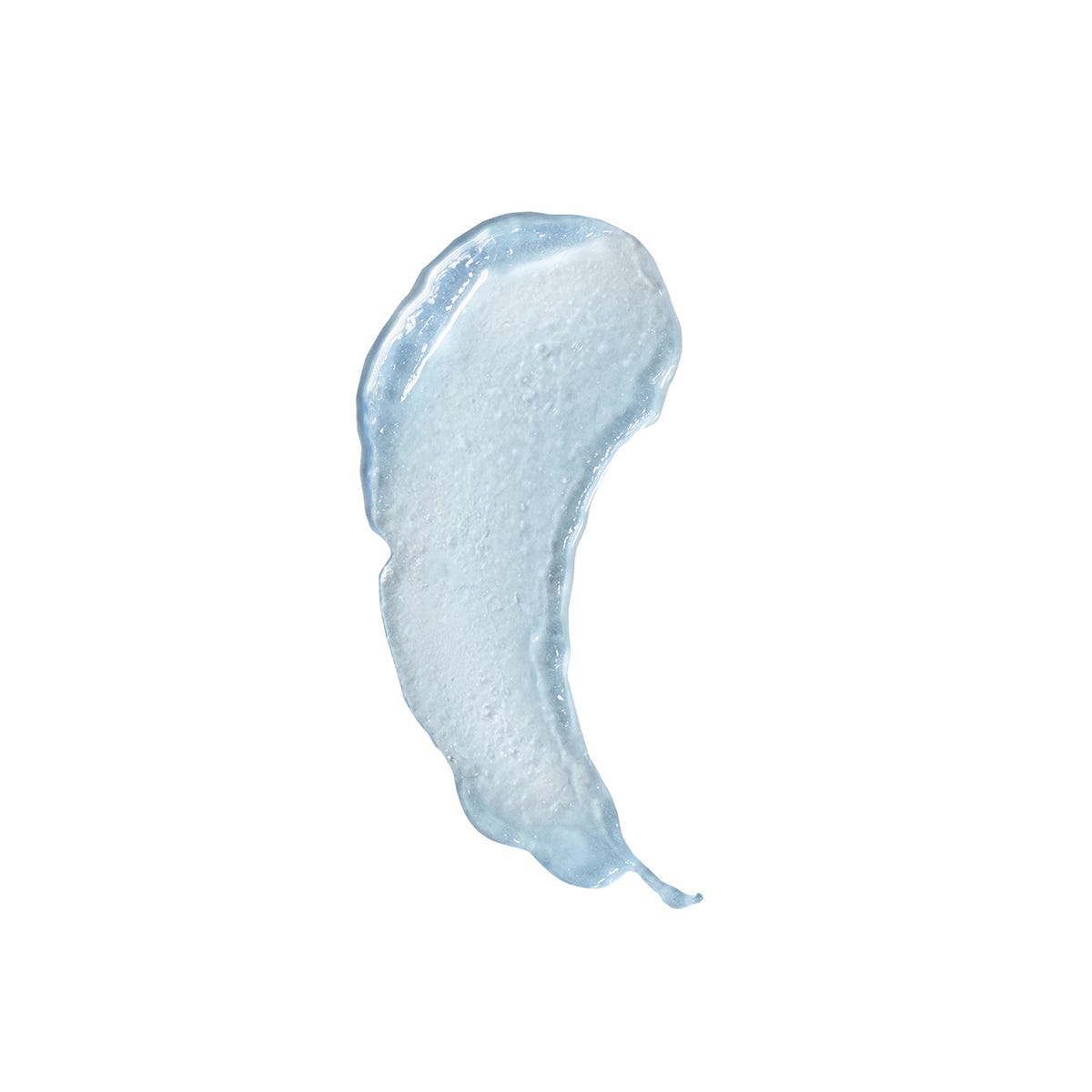
Color pairs onto a prepped base
for the marketer
Long-wear color has a partner: the base underneath it. Prep and prime first, and color goes on smoother and stays put longer.
for the professional
SeneGence color products are engineered to pair with what's under them. A prepped, primed base is what turns good color into all-day color.
- PAIR
- Skincare base + primer → color
- WHY
- primer refines texture and gives pigment an even surface to grip
- ORDER
- finish skincare, add the right primer, then apply color
- TIP
- the primer is the skipped step that decides how the face looks by 3pm
Think of complexion and color as one continuous stack, not two kits.
for the skintellectual
SeneGence positions its primers as wear-and-texture partners for color, not filler steps. The MakeSense Silk Primer is built around Miniporyl (a pore-minimizing, sebum-regulating astringent) and ChroNOline (which reinforces the skin's structural matrix) — the approved framing is that it adds three to four more hours of wear, decided before makeup even goes on while visibly refining texture.
The pairing principle is mechanical: a refined, sebum-balanced, even surface gives film-forming color a stable substrate to bond to, so it sets evenly and resists breaking up. Prime the base and the color pairing performs; skip it and pigment grabs unevenly and wears off faster.
card 02
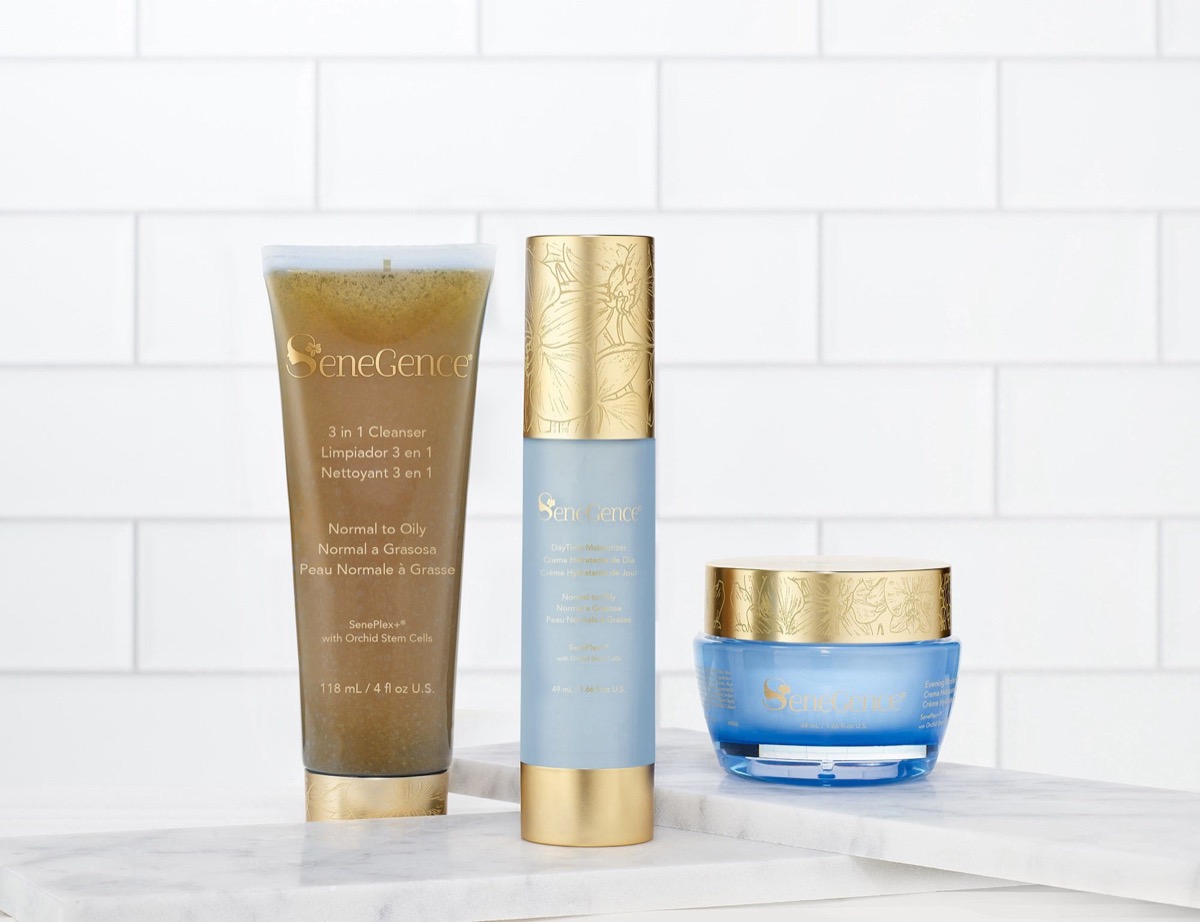
MakeSense Foundation pairs over Climate Control
for the marketer
The best foundation pairing is skincare-first: Climate Control under MakeSense Foundation. Primed skin keeps coverage smooth and fresh.
for the professional
The complexion pairing that ties both tracks together: Climate Control primes, MakeSense Foundation shields.
- PAIR
- Climate Control → MakeSense Foundation
- ORDER
- Climate Control first (as in the Sandwich), foundation last
- WHY
- primed, hydrated skin lets coverage glide, not grab dry patches
- TIP
- let Climate Control absorb a moment so they layer, not pill
MakeSense carries SenePlex+, so the coverage is treating the skin it covers as it wears.
for the skintellectual
This is the Sandwich's Layer 1 → Layer 4 relationship applied to complexion. Climate Control — the low-viscosity dual-phase primer — preps and hydrates the surface, and MakeSense Foundation pairs on top as the largest-weight shield, built on water-resistant film-forming polymers with Adapting Pigment Technology for a true-to-skin match.
The pairing works because the film-forming layer performs best over a smooth, hydrated, primed substrate rather than bare or dry skin, where it can cling and emphasize texture. And because MakeSense carries SenePlex+, the shield step supports the look of skin renewal beneath full coverage — honest appearance language, not a drug claim. A dedicated MakeSense Silk Primer can sit between the two when a client wants maximum wear and pore refinement.
card 03
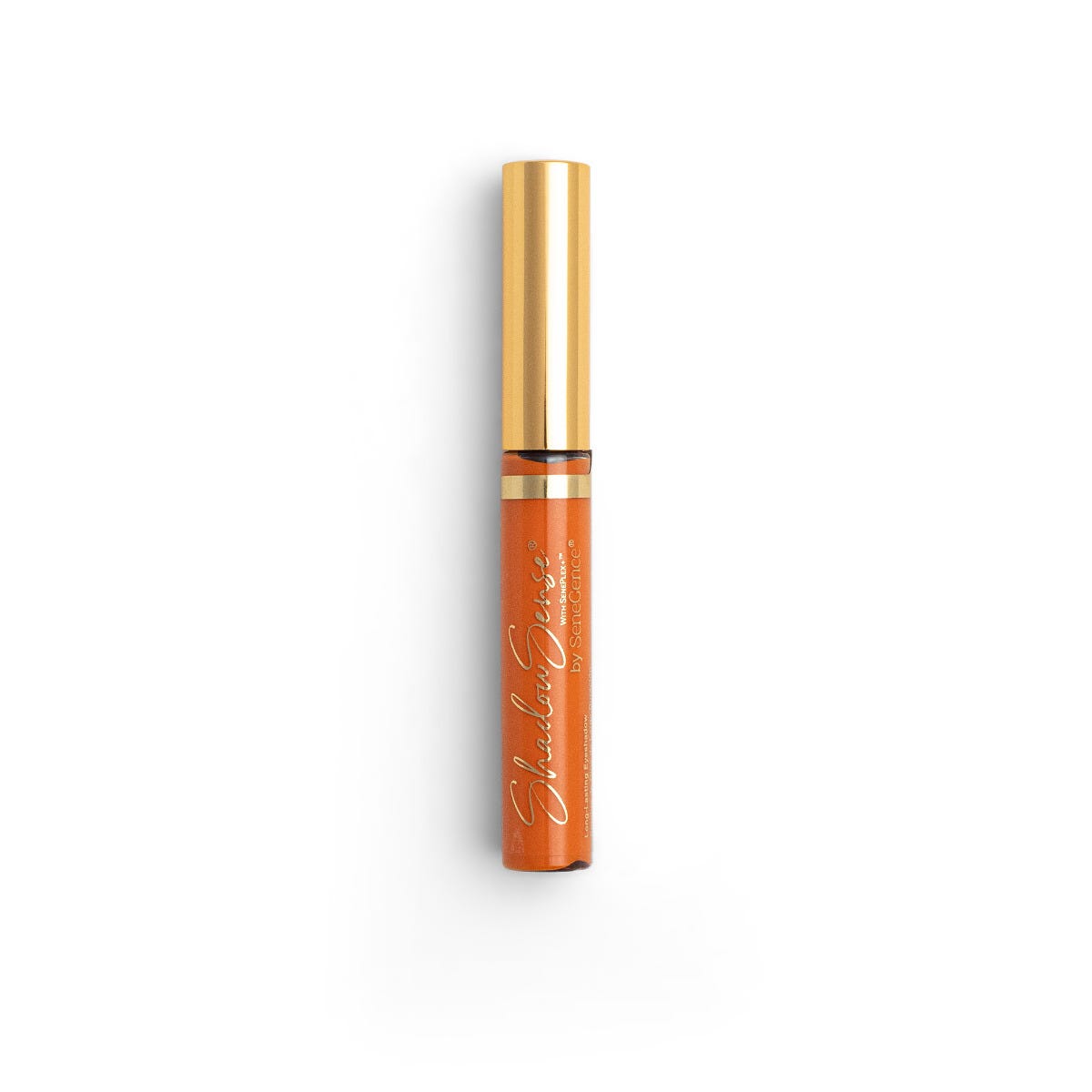
ShadowSense wants a primed lid
for the marketer
ShadowSense pairs best on a primed lid. Prep the eye first and the color goes on truer, blends cleaner, and stays crease-free longer.
for the professional
ShadowSense is a long-wear cream color, and like every long-wear color it rewards a prepped surface.
- PAIR
- Eye primer / base → ShadowSense
- WHY
- a primed lid evens oil and tone so pigment reads true and resists creasing
- ORDER
- prep the lid, then apply and blend while it is still workable
- TIP
- it sets fast — place and blend one area before moving on
ShadowSense carries SenePlex+ with every application, so the color does double duty on the skin beneath it.
for the skintellectual
ShadowSense is built on Adapting Pigments (true color that adjusts to the eye) and includes SenePlex+, the renewal complex, with every application. Because it is a cream that cures to a long-wear finish, pairing it over an even, low-oil base is what lets the adapting pigment read accurately and hold without migrating into the crease.
The mechanism mirrors the complexion pairing: lid sebum and uneven tone are exactly what break up a film-forming color, so a primer or even a thin base of concealer/foundation over the lid gives ShadowSense a stable substrate. Keep the skin-benefit language honest — SenePlex+ supports the look of renewal on the eye area skin; the pairing claim is about wear and true color, both of which are appearance outcomes.
card 04
Blush and highlight, in that order
for the marketer
Cheeks are a mini-pairing: BlushSense for the flush, then highlight on the high points. Color first, glow last.
for the professional
The cheek pairing is a two-step: flush first, light on top.
- PAIR
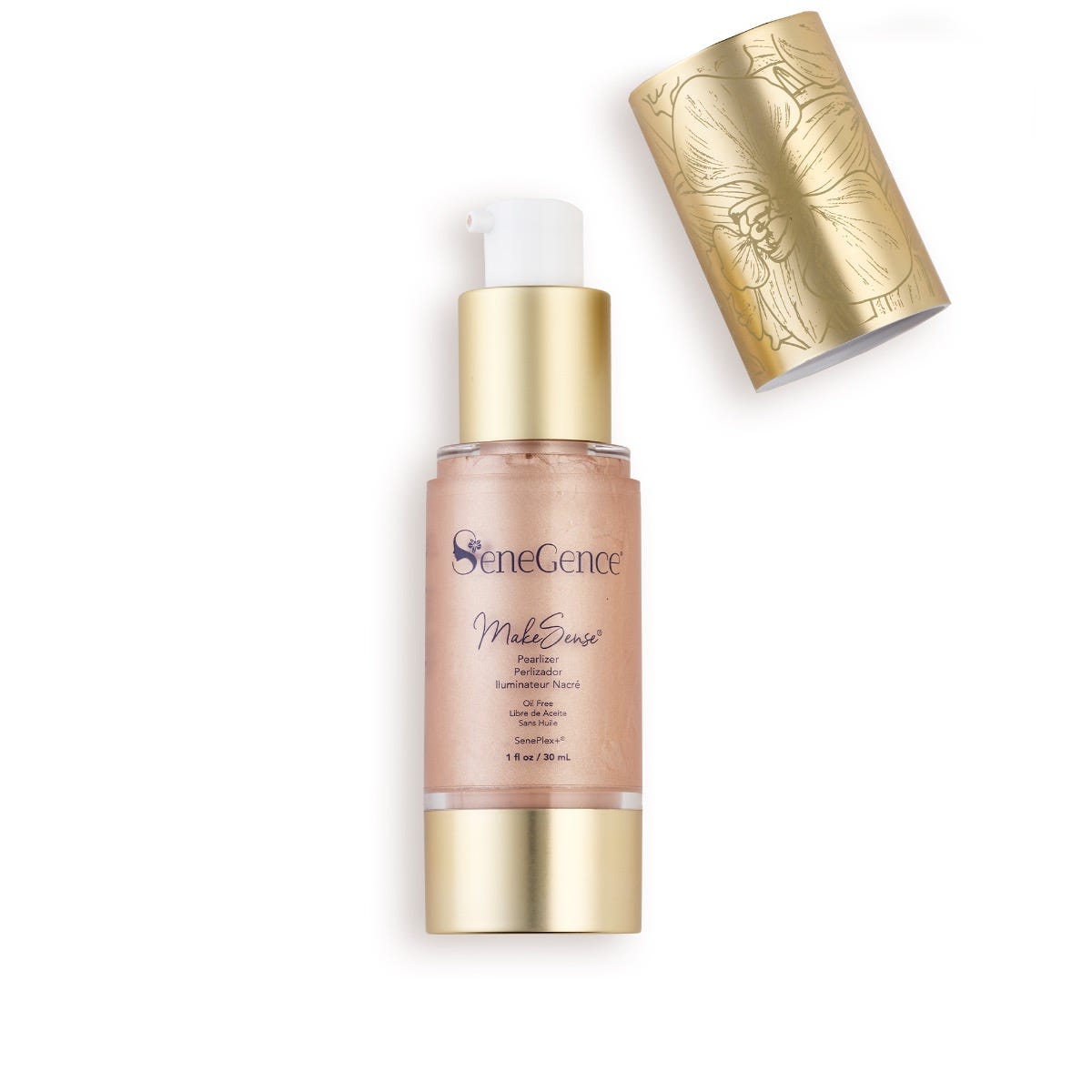
- BlushSense → Pearlizer highlight
- ORDER
- blush on the apples/cheekbone first, then highlight the high points
- WHY
- highlight reads as light because it sits above the flush
- TIP
- mix Pearlizer into foundation for radiance, or place it for a lit highlight
for the skintellectual
BlushSense is a long-wear cream blush built on the same long-wear polymer science as LipSense — a flexible film-forming polymer locks the color while Sodium Hyaluronate and algae extract condition, and SenePlex+ supports the look of renewal while it is worn. Because it cures like the lip color, it pairs onto complexion before powder or highlight and sets to resist water and movement.
MakeSense Pearlizer is a mixing medium, not a pigment — peach-gold light-diffusing particles that either stir into foundation for an all-over lit finish or place on the high points as a targeted highlight. The order (flush, then light) is optical: highlight only creates dimension when it sits on the raised planes above the blush that naturally catch light. All of this is appearance language — flush, glow, dimension — never a skin-function claim.
card 05
Match by undertone: the Venous Scan
_35.jpg)
for the marketer
Pair color to the person with a 10-second wrist check. Blue veins = cool shades; green veins = warm. Match undertone, not surface tone.
for the professional
Before you pair any shade to a client, read her undertone — it takes ten seconds and no awkward questions.
This is the Venous Scan, and it tells you which bottles to pull first for lips, cheeks, and complexion alike.
for the skintellectual
The Venous Scan reads undertone — the constant hue beneath surface skin tone — from the color of the veins at the inner wrist in daylight, because that thin-skinned area shows undertone with the least interference. Cool (blue/purple veins) pairs with blue-based shades (Blu-Red, Napa, Lexie Bear-y); warm (green/olive veins) pairs with yellow-based shades (Persimmon, Fly Girl, Apple Cider); neutral wears the widest range (Bella, Praline Rose).
Undertone is chosen because it is stable — it does not change with a tan or the season the way surface tone does — so a shade paired to undertone stays flattering across contexts. It is a color-harmony judgment, not a skin diagnosis: the scan guides which shade family harmonizes, nothing more.
card 06
Recap: pair the base, then the color
for the marketer
Prep, then color: Climate Control under foundation, primer under shadow, blush before highlight — every shade matched to undertone.
for the professional
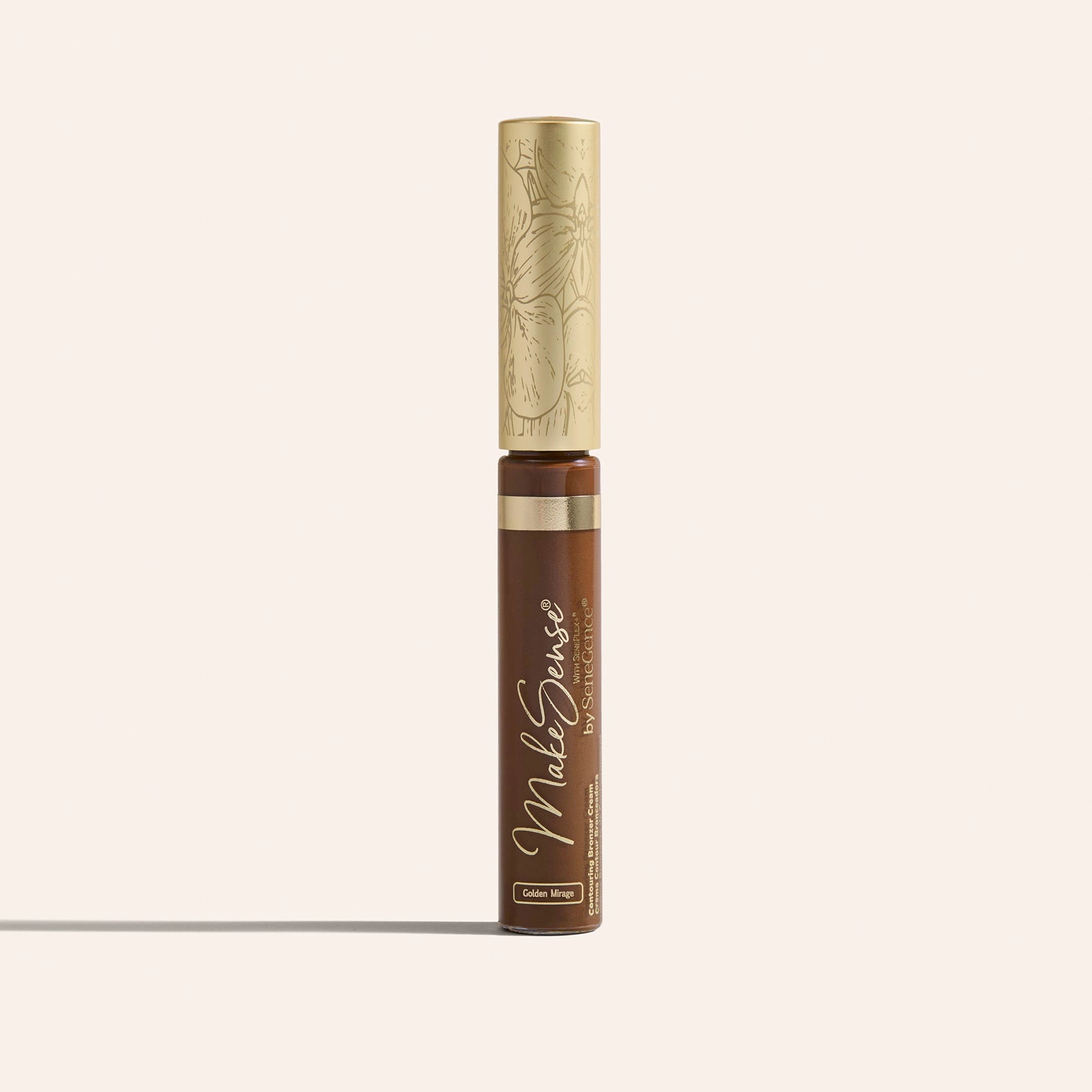
The complexion pairings in one pass: Climate Control → MakeSense Foundation for the face; a primed lid → ShadowSense for the eye; BlushSense → Pearlizer highlight for the cheek; and every shade chosen by the Venous Scan undertone check.
Color and complexion are one continuous stack, matched to the person underneath.
for the skintellectual
Every complexion pairing here rests on two principles. First, film-forming color performs over a prepped substrate: Climate Control and the MakeSense Silk Primer give foundation, and a primed lid gives ShadowSense, the even, sebum-balanced surface their polymers need to set and hold — the same reason BlushSense (built on LipSense's polymer science) sets before highlight. Second, shade is paired to undertone, not surface tone, via the Venous Scan, because undertone is the stable variable that keeps a pairing flattering across tans and seasons.
Throughout, SenePlex+ rides along in ShadowSense, BlushSense, and MakeSense Foundation, supporting the look of skin renewal beneath the color — appearance language only, no skin-function claims.