Presenting Yourself
Conversations That Build Trust
card 01
Warm, human, and unhurried beats slick every time
for the marketer
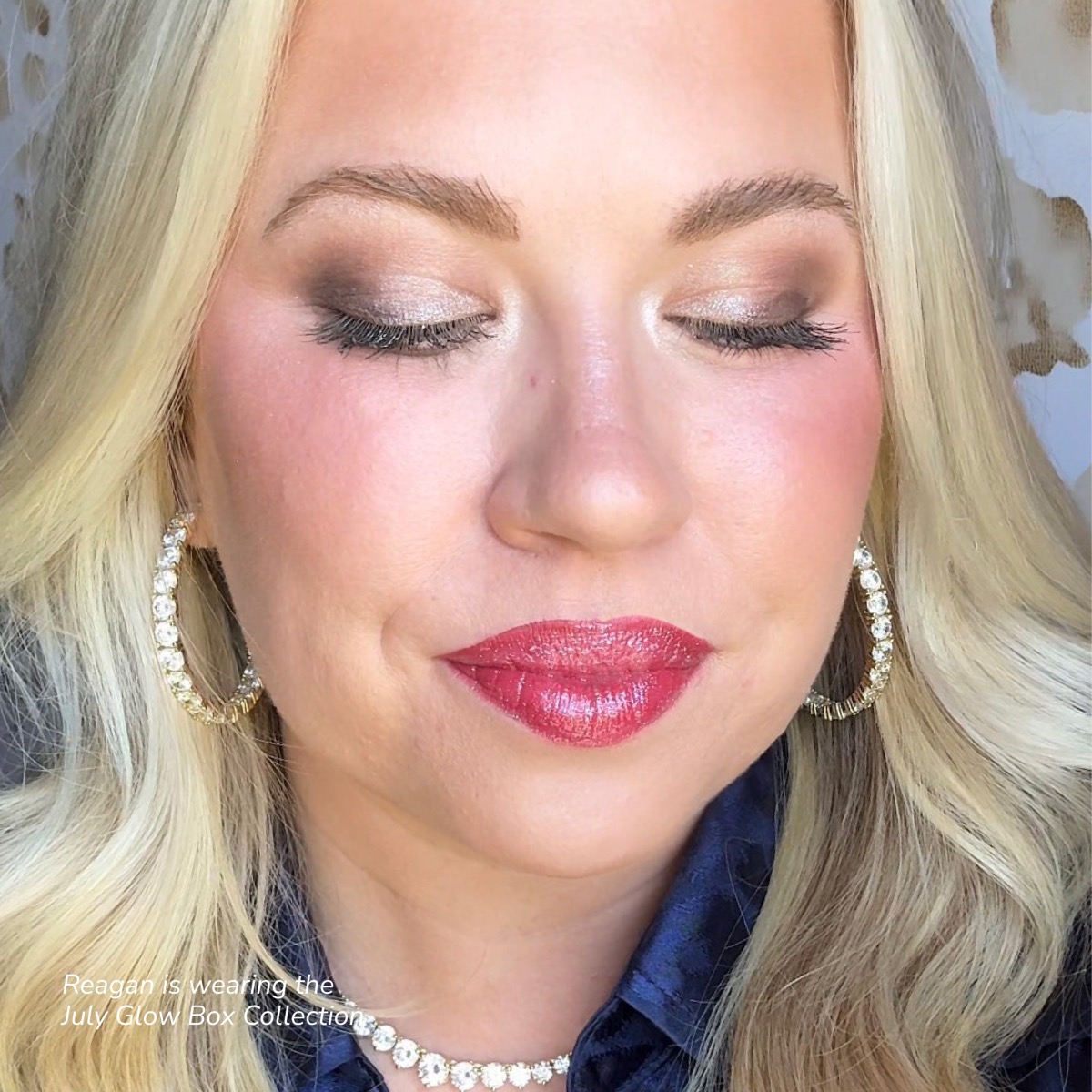
Reply like a person, not a brochure. A genuine, friendly tone does more for trust than any perfectly polished script.
for the professional
Tone is the first thing a stranger reads in a DM, before content. Warm, plain, specific-to-them language signals a real person; copy-paste sales speak signals a bot.
card 02
Disclose that you sell — before the pitch, not after
for the marketer
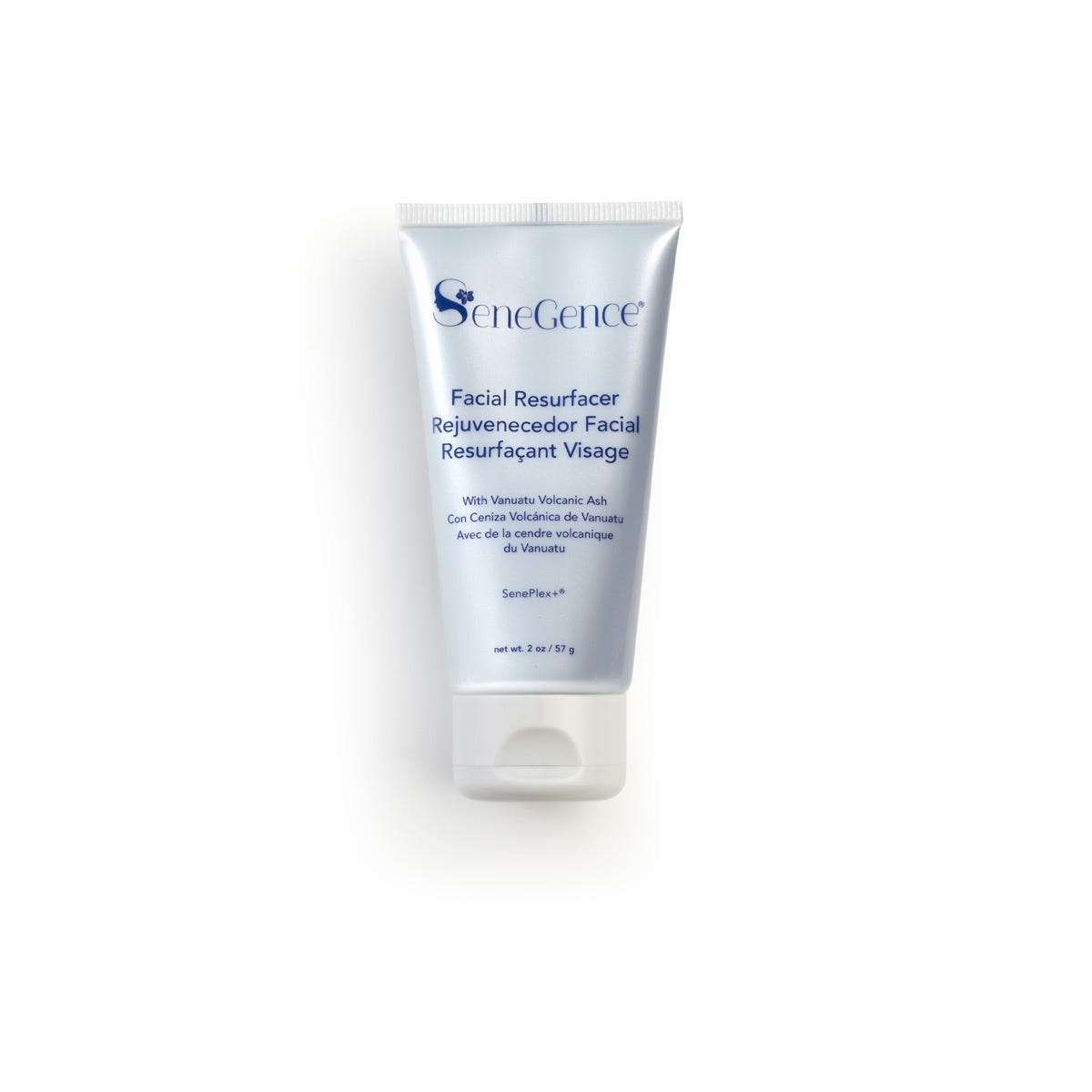
The moment a chat turns toward buying, make it clear you're the distributor. Say it before the ask, never once the sale's on the table.
for the professional
A DM that sells is doing selling work, so the disclosure red-line applies. Clarity comes before the pitch, so they weigh your pick knowing where it comes from.
- DO
- "Full disclosure — I'm a SeneGence distributor — here's my pick"
- DON'T
- Recommend hard, then reveal you sell it only if pressed
- WHY
- The FTC treats your seller tie as a material connection to make clear up front
card 03
Move it forward without inventing a rulebook

for the marketer
Ask one clear next question — a shade, a concern, a good time to talk. Gentle forward motion, no pressure, no made-up "policy."
for the professional
Advancing a chat is a craft, not a quota — offer a low-pressure next step and let them set the pace.
- DO
- Offer a real next step — "want me to match your shade?"
- DON'T
- Cite a response deadline or escalation "policy" as if it's official
- WHY
- SeneGence publishes no response SLA or escalation rule — inventing one and pinning it on the company is a fabrication
card 04
Boundaries keep you professional, not cold
for the marketer
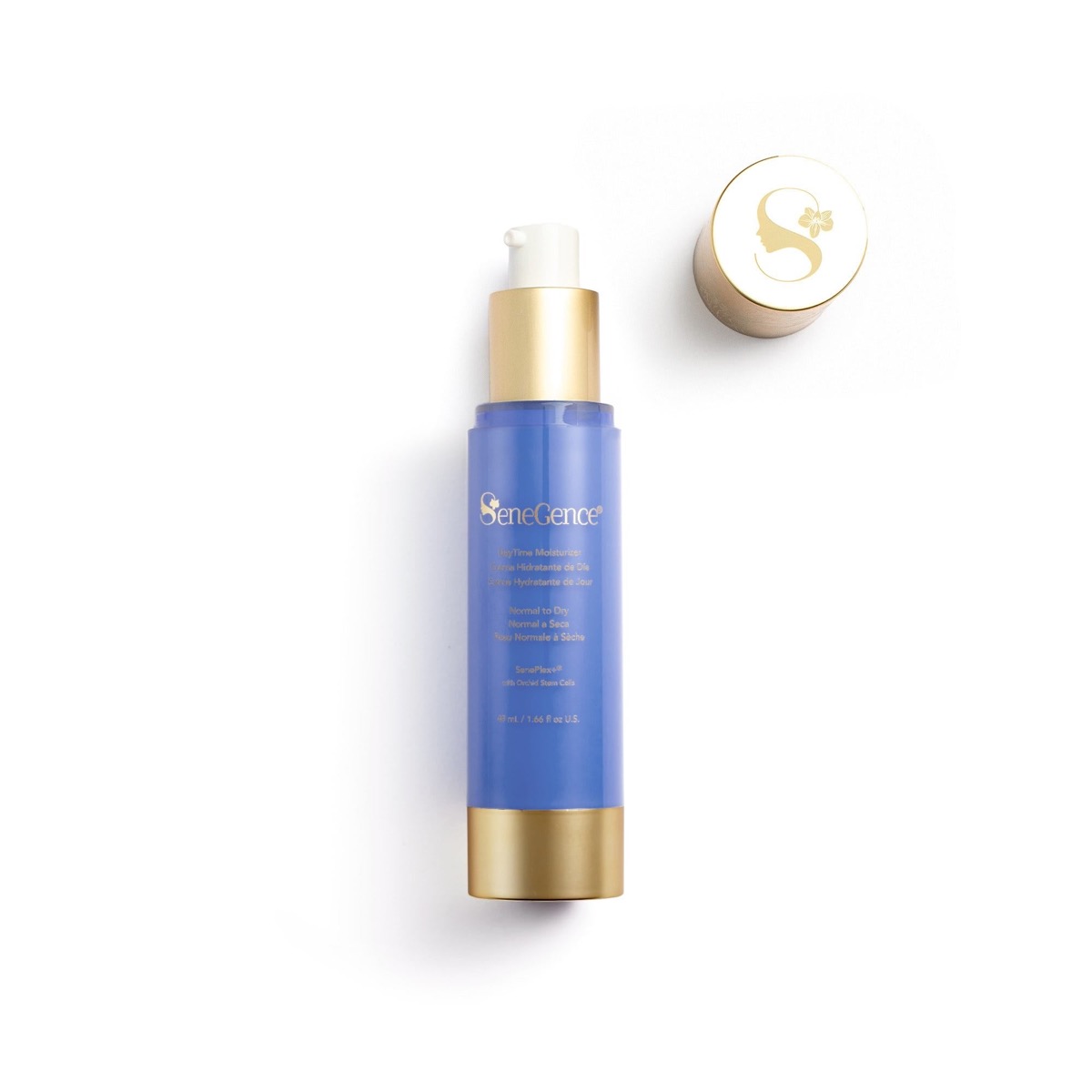
You don't owe an instant reply at midnight. Clear, kind boundaries — reply hours, when to move to a call — protect you and the work.
for the professional
Set the terms of your availability rather than chasing every ping. Boundaries, stated kindly, read as more trustworthy — organized and real.
- DO
- Set your own reply hours; move complex issues to a call
- DON'T
- Promise round-the-clock availability you can't keep
- WHY
- An overpromised reply you miss hurts trust more than an honest "I'll reply tomorrow"
card 05
Share their words as their story — with permission

for the marketer
Got a happy customer's message? Ask before you share it, and quote it as her experience — never as a promise to whoever reads it next.
for the professional
Testimonial etiquette carries into private chats: a customer's praise is real and worth sharing, but it stays hers and it stays permissioned.
- DO
- Ask first; keep it framed as one person's experience
- DON'T
- Reword it into a guarantee or drop "results vary"
- WHY
- A testimonial is one outcome, not a promise to the next buyer — the labeling rule holds in a DM as in a caption