Demo & Sell
Objections, Handled
card 01
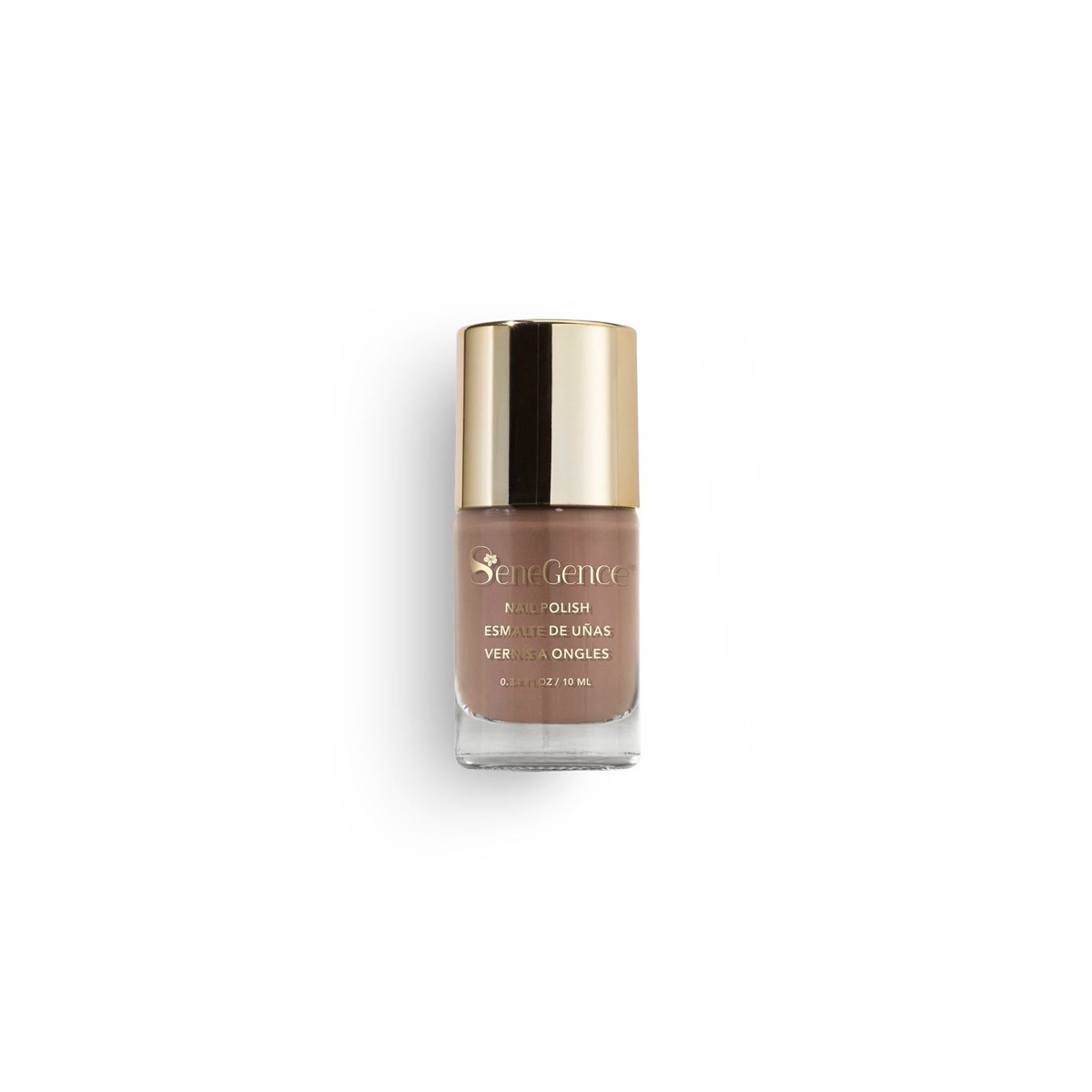
"It's expensive" — answer with cost-per-wear, honestly
for the marketer
Say: "One bottle outlasts multiple tubes of drugstore lipstick — figure the cost per wear, not just the price tag."
for the professional
Don't get defensive about the price; reframe it. A single bottle covers far more applications than a standard lipstick tube, since a full look only uses three thin layers.
Walk her through it plainly: divide the bottle's price by realistic applications per bottle, and compare that to how often she replaces a lipstick that wears off by lunch. Let her do the math herself — she'll believe her own conclusion more than yours.
for the skintellectual
SeneGence's internal price-anchoring material ("The LipSense Equation") supplies the actual arithmetic: a standard wax lipstick holds about 0.10–0.12 oz of product; a LipSense tube holds 0.25 fl oz (7.39 mL) — roughly 2.5× the volume. The material pairs that with a stated usage assumption — wax lipstick reapplied 5–10 times a day versus a once-a-day polymer application — to reach its own equation: one tube replaces about four wax lipsticks.
Treat the two halves differently. The volumes are label facts she can check; the reapplication rates and the four-tubes figure are the material's stated assumptions, not measured data — present them as the illustration they are. The same discipline applies to time framing: any hours-saved-per-year figure (the education series illustrates roughly 48 hours a year) is assumption-based arithmetic, never a tested statistic, and never belongs next to real study data.
The defensible core is cost-per-wear: the actual bottle price divided by realistic applications — arithmetic she can verify herself, not an estimate she has to trust.
card 02
"18 hours, really?" — the range, not the headline number
_37.jpg)
for the marketer
Say: "It's formulated to deliver 4 to 18 hours of wear — where you land depends on food, drink, and application."
for the professional
Never defend the number 18 on its own — restate the full range and set honest expectations. Skepticism about a big claim is healthy, and meeting it with a bigger claim erodes trust further.
The approved answer: it's formulated to deliver 4 to 18 hours of wear, and real-world results vary by oil levels, food, drink, and how carefully the layers were applied. That honesty lands better than insisting on the top-end number.
for the skintellectual
The only approved wear-duration phrasing is the reference's own range: "delivers 4 to 18 hours of wear." Never compress it to "up to 18 hours" or "18 hours" alone, and never add words like "guaranteed" or "permanent."
This exact objection-and-response pattern is covered in more depth in the Brand Story track ("Time is Our Luxury") — treat this card as the compressed mid-demo version, and that track as the deeper reference for the full expectation-setting script.
card 03
"I can get lipstick cheaper at the drugstore" — reframe the comparison
_18.jpg)
for the marketer
Say: "You're right, drugstore lipstick is cheaper up front — this isn't drugstore lipstick, it's a different category of wear."
for the professional
Don't argue that a cheap lipstick doesn't exist — it does, and pretending otherwise sounds defensive. Agree with the price comparison, then pivot to the category difference: conventional wax-based lipstick sits on the surface and transfers onto cups and collars, which is exactly why it needs reapplying all day.
She's comparing a product she reapplies constantly to one she mostly doesn't. Keep the comparison about the job the product does, not just its price.
for the skintellectual
The reframe is grounded in the reference's own stated mechanism: LipSense is described internally as a liquid lamination system forming a flexible, molecular bond with the lip, while traditional color relies on wax-based occlusion that sits on the surface and transfers — that structural difference is the actual, stated reason it behaves differently from a drugstore tube, not a marketing metaphor.
Keep premium-versus-mass comparisons general and about categories (long-wear formula versus traditional lipstick) — avoid naming specific competitor brands or prices unless you hold current, verifiable pricing, since outdated competitor pricing can itself become a misleading claim.
card 04
"Let me think about it" — respect it, don't chase it
for the marketer
Say: "Of course — take the sample home. No pressure, and I'm happy to answer anything else whenever you're ready."
for the professional
This is not an objection to overcome — it's a signal to back off warmly. Pushing harder reads as pressure and costs you the relationship even if it wins the sale today.
The better move: hand her something to leave with (a sample swipe, a shade card, a photo of the look on her own lips), tell her there's no rush, and make it easy to come back with questions. A client who never felt pressured is far more likely to return and refer.
for the skintellectual
"Let me think about it" has a documented pattern in SeneGence's internal training. The Managing the Room protocol holds that authority is maintained through "permission-based movement and low-pressure pivots" — what you're managing in this moment is her anxiety, not her information.
The reference's Take-Away Pivot models the move for a deflecting client: validate autonomy first ("Absolutely—take your time."), then leave one concrete, easy next step open instead of a counter-pitch. Applied here, the pivot is the sample in her hand — it keeps the conversation alive without requiring a decision.
Honest limit: this is internal sales doctrine, not measured behavioral data — but it aligns with the compliance discipline everywhere else in this track: no pressure, no inflated claim, nothing she'll later feel was oversold.
card 05
The pattern behind every good objection response
for the marketer
Agree with what's true, reframe what's misunderstood, and never oversell past the approved claim.
for the professional
Every response above follows the same shape: acknowledge the honest part (it costs more upfront; drugstore lipstick is cheaper; 18 hours sounds like a lot), then offer the real information that reframes it (cost-per-wear, the wax-versus-polymer difference, the actual range: 4 to 18 hours).
Never argue the objection away, and never stretch past the approved claim to win the moment — an oversold claim she later catches costs you every claim after it.
for the skintellectual
This is the same discipline that runs through all of SeneGence's compliant training language: appearance-and-experience claims, ranges instead of single big numbers, and illustrative framing clearly labeled as such wherever it's used.
Objection-handling isn't a separate skill from compliant claims — it's compliant claims, delivered warmly, at the exact moment someone is deciding whether to trust you.