Demo & Sell
Shade Matching & Layering
card 01
The Venous Scan: a 10-second undertone check
for the marketer
Check her inner-wrist veins in natural light. Blue/purple = cool. Green/olive = warm. Can't tell = neutral. Ten seconds, no awkwardness.
for the professional
Turn her wrist so her inner arm faces up, ideally near a window, and look at the veins. Blue or purple = cool — pull Blu-Red, Napa, or Lexie Bear-y. Green or olive = warm — pull Persimmon, Fly Girl, or Apple Cider. Hard to tell or mixed = neutral — start her with Bella or Praline Rose, the most universally flattering picks.
Ten seconds, no awkward questions, and you know which bottles to reach for first.
for the skintellectual
This is SeneGence's own Venous Scan, verbatim: examine the inner-wrist veins in natural light. Blue/purple veins = cool, blue-based (the material notes low carotene presence) — matched to Blu-Red, Napa, Lexie Bear-y. Green/olive = warm, yellow-based (blue veins seen through a yellow skin filter read green) — matched to Persimmon, Fly Girl, Apple Cider. Indiscernible or mixed = neutral, able to wear the widest range — matched to Bella, Praline Rose.
The reference separates undertone from surface tone: surface tone fluctuates with sun, redness, or illness, while undertone reflects the skin's stable pigment biology — so match to the wrist and neck, never to transient facial redness, and confirm in daylight (about 5000–6000K), the material's truth standard, since fluorescent light adds a green cast and incandescent dulls cool pigments.
Honest limit: this is a simplified visual heuristic, not clinical skin typing — treat it as a starting hypothesis, confirmed by how the shade actually reads on her skin.
card 02
The layering rule that unlocks 27 shades from 3 bottles
_29.jpg)
for the marketer
Darkest shade goes down first, lighter or shimmer shades on top. Change the order, get a different look — same 3 bottles.
for the professional
LipSense layers instead of blends, and order changes the outcome. The rule distributors have taught since day one: put the boldest, darkest color down first as your base coat, then build lighter or shimmer shades on top. Reverse the order and you mute the look you wanted.
This is also the classic demo hook — 3 shades in different coat orders genuinely produce 27 distinguishable looks, because each layer sets before the next instead of blending together.
for the skintellectual
The chemistry that makes order meaningful: LipSense's SD40 cosmetic-grade alcohol carrier flash-evaporates on application, so each thin pass sets as its own pigmented film before the next goes on — shades stack as distinct layers rather than blending wet-into-wet, which is why coat order changes the look you see. That's the basis of the product-education series' 27-Look Wardrobe: layer three shades three-deep and unlock twenty-seven distinct looks (3 × 3 × 3 stacking orders) — color customization as a system, not a single product.
Honest limits: the twenty-seven figure is combinatorics, an appearance-level customization point, not a performance claim — and the darkest-first rule itself is documented distributor craft rather than a mechanism stated in the internal reference, so teach it as technique consensus and prove it on a live swatch.
card 03
Real recipe: the beginner-proof neutral
for the marketer
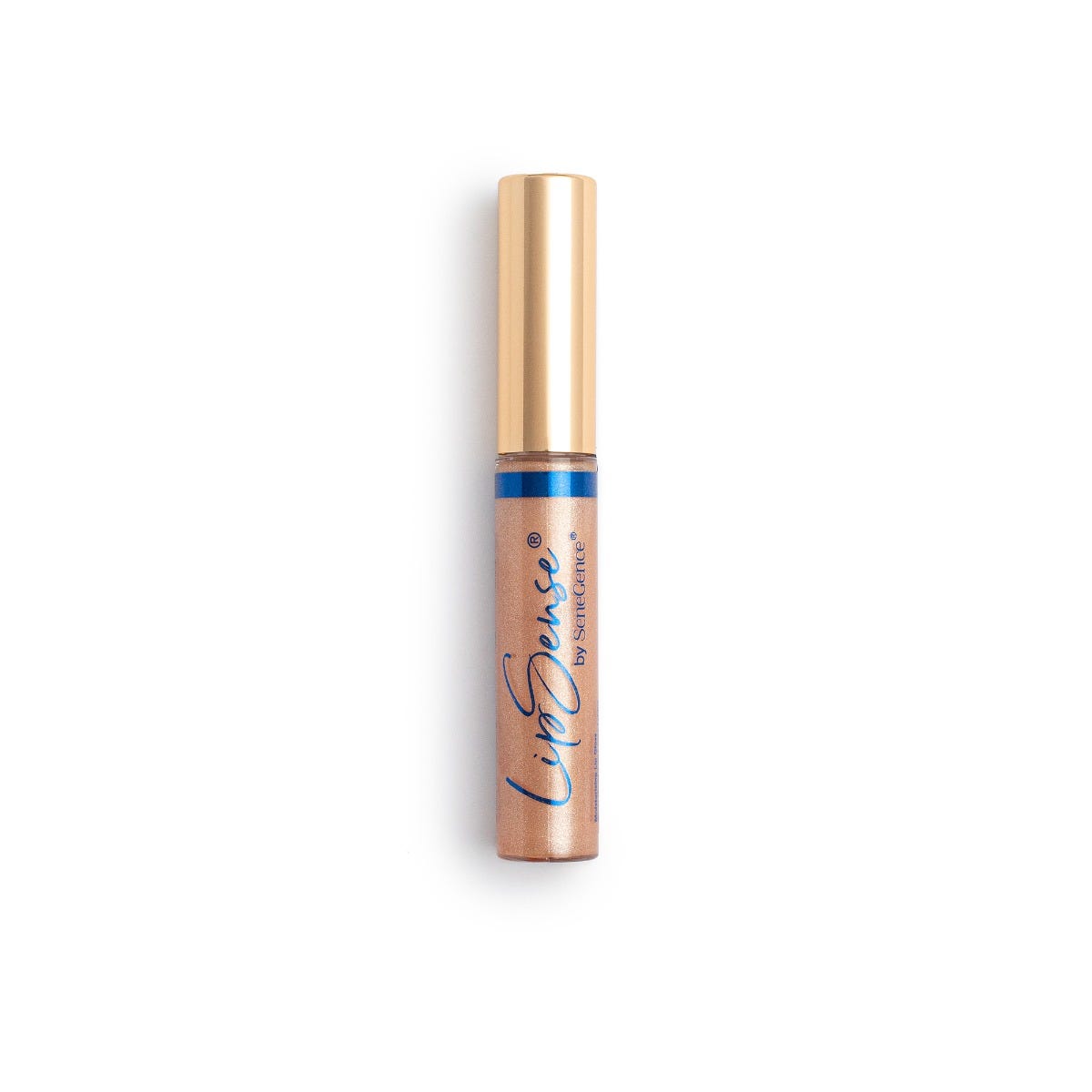
Bella (1 coat) → Praline Rose (1 coat) → Mauve Ice (1 coat), sealed with gloss. Works on almost anyone — start here if she's unsure.
for the professional
When a client says "I don't know what I like," this is the answer:
It's one of the most widely circulated LipSense combinations among distributors precisely because it flatters nearly every skin tone — a safe, confident recommendation when you don't want to overwhelm a hesitant client with 50 bottles.
for the skintellectual
This is a real, widely documented distributor recipe — commonly credited across multiple independent creators as one of the most-repeated LipSense combinations — not a hypothetical example. It works broadly because Bella functions as a neutral anchor layer, Praline Rose adds warmth and depth without pushing strongly warm or cool, and Mauve Ice's frosted finish softens the overall look rather than shifting its undertone.
Honest caveat: if any of these shades has since been retired from the current catalog, the technique still transfers — the roles (anchor, depth, softening topcoat) map onto any current shade with a similar description.
card 04
Real recipe: softening a shade she thinks is 'too bold'
_40.jpg)
for the marketer
Any dark shade (1 coat) + Bombshell (2 coats), sealed with a pearl gloss. Makes a bold color wearable, fast.
for the professional
This is the move for a client drawn to a bold, dark shade but scared to commit:
The dark color still shows through, softened into everyday-wearable — a genuinely useful answer to the hesitation you'll hear most: "I love it but I could never wear that."
for the skintellectual
A real, documented distributor technique, historically summarized as: "any dark color you have, use it with Bombshell, and it's going to make everything beautiful." It runs on the same anchor/topcoat layering logic as every recipe — the dark shade still bonds to the lip as the base layer, while Bombshell's lighter coverage on top visually lifts and softens it without erasing it.
That's different from simply picking a lighter shade outright: she still gets the color she was drawn to, just gentler — which is why it converts the "I could never wear that" client.
card 05
Real recipe: the soft daytime gradient
for the marketer
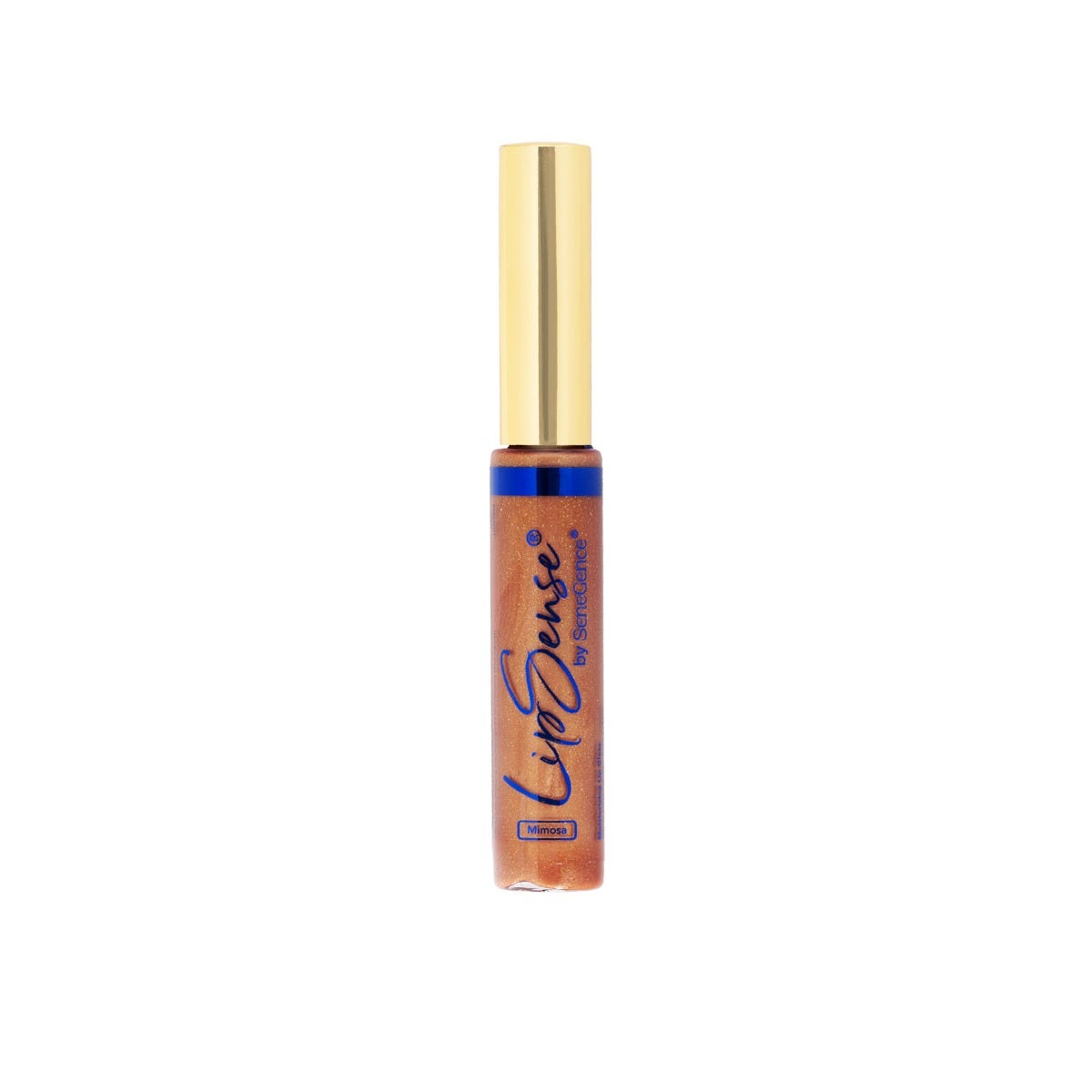
Praline Rose (1 coat) → Pink Champagne (2 coats), sealed with gloss. A soft, everyday pink for fair-to-medium tones.
for the professional
For a client who wants something soft and low-commitment for daytime:
It demonstrates the darkest-first rule cleanly and gives a soft gradient rather than one flat color — a good second demo after the beginner-proof neutral, once she's ready to watch the layering technique work.
for the skintellectual
Documented in distributor recipe archives as a widely circulated combination, tagged for fair-to-medium skin tones. It's a clean teaching example of the darkest-first rule because the shift between one coat of the darker Praline Rose and two coats of the lighter Pink Champagne is easy for a new client to see in real time.
Its value is specifically as a demo that teaches the technique, not just a pretty result — she leaves understanding why order mattered.
card 06
Helping the hesitant client choose, without overwhelming her
_1.jpg)
for the marketer
Don't show her 50 shades. Show her 2-3 that fit her coloring, let her react, then follow her lead.
for the professional
A wall of shade options is the fastest way to freeze a hesitant client. Narrow it yourself: pick one universal neutral (like the Classic Triple), one shade closer to what she said she likes, and — if she seems adventurous — one bolder option softened with the Bombshell technique.
Let her try them on her own hand or lips and watch her face, not just her words; people often light up at a color before they say they like it. Follow that reaction, not a script.
for the skintellectual
SeneGence's internal training addresses exactly this moment. The Q-A-S Loop — Question, Answer, Support — replaces interrogation with diagnosis: open with a question she can't answer yes or no, listen for the actual preference or complaint underneath, and validate it before prescribing a shade. The material's own framing: "An amateur interrogates. A professional diagnoses."
For the client who deflects with "I'm just looking," the reference's Take-Away Pivot validates autonomy while narrowing the field: "Absolutely—take your time. While you browse, are you more interested in skincare or long-wear color today?" One binary choice she controls, instead of fifty options she has to survive.
Honest limit: this is sales-craft doctrine from internal training, not measured behavioral data — the verifiable part happens live, in her reaction to the two or three shades you curated.