Professional Presence & Client Experience
How to Photograph Beauty Products Accurately
Photos That Sell Without Overpromising use neutral light, controlled color, honest crops, and matched capture conditions so the real product does the selling.
section 01
Good light does most of the work
why it matters
product value & fit
The photograph that sells is the one that does not surprise her when the parcel arrives.
Start with light. Editing comes later. One soft, neutral source — a window out of direct sun, or a single daylight-balanced lamp with every other bulb switched off. Mixed light throws a cast your eye forgives and the camera keeps.
Clean the lens. Clean the tube. Put a plain white card in the first test frame so you can see what neutral looks like. Lock exposure, focus and white balance if your phone lets you, and leave the light exactly where it is for the whole LipSense shade run.
Good light is not a look. It is the reason the shade she saw is the shade she gets.
how to use itselection, application & troubleshooting
Set the light once and shoot the series in it: hero, applicator, swatch, worn view. Switch off overheads and lamps that disagree with the window. Keep highlights off the glossy cap so the label stays readable. If you move the light for one shade, you have started a second series, and the two will never compare.
the scienceformula · mechanism · evidence
One neutral source reduces the correction you have to make later and makes frames comparable to each other. Your eye adapts to a mixed color temperature; a sensor records it. A white or neutral-grey reference in the frame gives you an anchor for balance, and protected highlights keep a glossy package dimensional instead of blown flat. Stable exposure, focus and white balance are what separate a change in the subject from a change in the camera.
section 02
Show the real color — don't paint it in later
why it matters
product value & fit
Correct your camera. Do not redesign the product.
Hold the tube beside the screen under the same light you shot in. If the frame is cooler or warmer than what you are looking at, fix that, then stop. Hue, saturation, pigment depth and skin tone are not yours to move. The moment you deepen a shade you have sold a shade that does not exist.
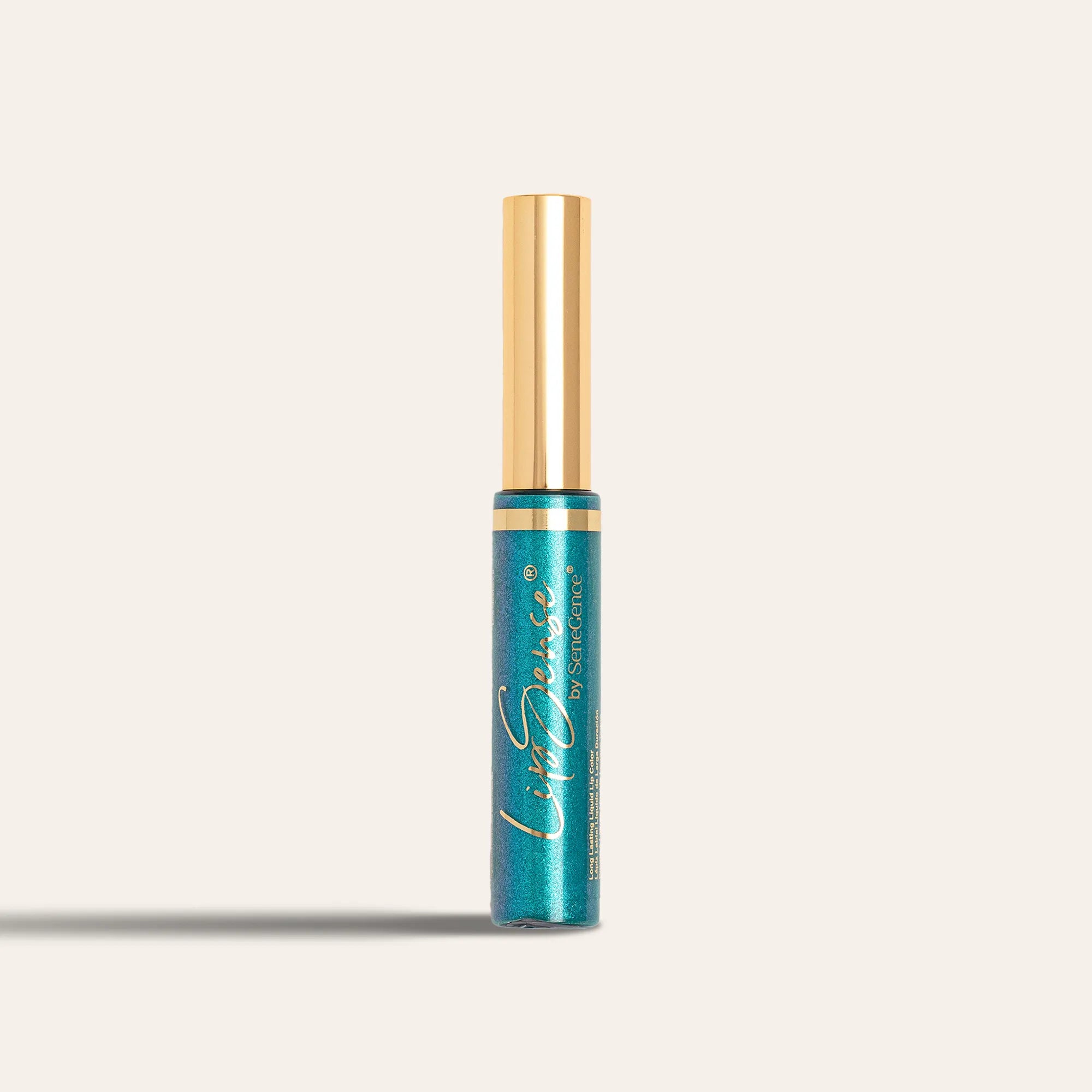
Show her three views where you can: the labeled LipSense tube, a swatch, and the shade worn. Export in sRGB, the color space nearly every phone and browser assumes, so what leaves your camera roll resembles what she opens.
She is going to hold your photograph up against her own mouth in a mirror. Give her one that survives it.
how to use itselection, application & troubleshooting
Compare the capture with the worn shade, side by side under the shoot light, before you touch a slider. Correct exposure and white balance only. No automatic filters, no beauty mode, no smoothing and no whitening — several phones turn those on by default, so check rather than assume. Name the exact product in the frame or in the caption.
the scienceformula · mechanism · evidence
Color accuracy is decided four times: at capture, by the complexion beside the product, by the export profile, and by the screen she is holding. You control the first three. Exporting in sRGB stops the fourth from drifting further than it has to, because that is the space most displays assume when a file carries no other instruction. Several honest views beat one perfect one, and a screen rendering is never a color measurement.
section 03
No doctored before-and-afters
why it matters
product value & fit
A pair of photographs is an argument you are making. It only holds if one thing changed between them.
So mark the floor. Mark where the light stands, where she sits, where the camera goes. Same lens, same distance, same angle, same expression, same hair pushed back the same way, same crop. Skin stays untouched: no smoothing, no reshaping, no sharpening one side and not the other.
Ask twice — once before you photograph her, once before you publish the pair. The second yes is the one that matters, because by then she has seen the picture.
If a real variable moved, say so or stop calling it a comparison. A MakeSense Foundation match shot under two different bulbs is a lighting demonstration, not a result.
how to use itselection, application & troubleshooting
Get permission twice and write down which photo, which words and which channel it covers. Keep the originals untouched in case anyone asks. Note the product used, the date, and anything about the room that changed. If you cannot reproduce the first frame, you cannot publish the second one as a comparison. Shoot the pair again.
the scienceformula · mechanism · evidence
A visual comparison is interpretable only when the capture variables are held. Focal length changes proportion, distance changes perspective, light changes texture and shadow depth, and expression changes which lines are visible at all. Any one of those four can produce a difference larger than the product did. Hold them, keep the raw files, record the conditions, and what is left in the frame is the difference worth showing.
section 04
Write Photo Captions With the Product, Visible Result, Context, and Next Step
why it matters
product value & fit
A photograph makes a promise before she reads a word. Your caption keeps that promise honest and finishes it.
Four beats. Name the exact product: ShadowSense. What is visibly different in the frame. Whatever context changes how she should read it: one coat, no filter, photographed at a window. And one thing to do next.
Leave my eyeshadow out of the caption.
Overlay, caption and image have to say the same sentence. When they disagree, the biggest element wins, and the biggest element is almost never the careful words.
Then write the alt text: product, shade, finish, placement, what is visible. It is how someone using a screen reader sees the picture, and it is not a hiding place for a qualification the caption should have carried.
how to use itselection, application & troubleshooting
Name the product, then say what the image actually shows. Add the one condition that changes the reading: one coat, natural light, no filter. Keep the point a client needs in the visible caption. Write alt text for the picture rather than for search — product, shade, finish, placement, and the visible detail that matters.
the scienceformula · mechanism · evidence
Image, overlay, caption and alt text arrive together as a single interpretation. A phrase like filter-free is only true when smoothing, reshaping, selective contrast and color shifts are all absent as well. A customer's photograph is her experience, published with her yes and framed as hers. Alt text describes what is in the frame; used to carry a qualification the sighted reader never sees, it fails both audiences at once.
section 05
Repeat Light, Background, Crop, and True Color for a Recognizable Photo Style
why it matters
product value & fit
Your feed does not look expensive because of the editing. It looks expensive when every frame was made the same way.
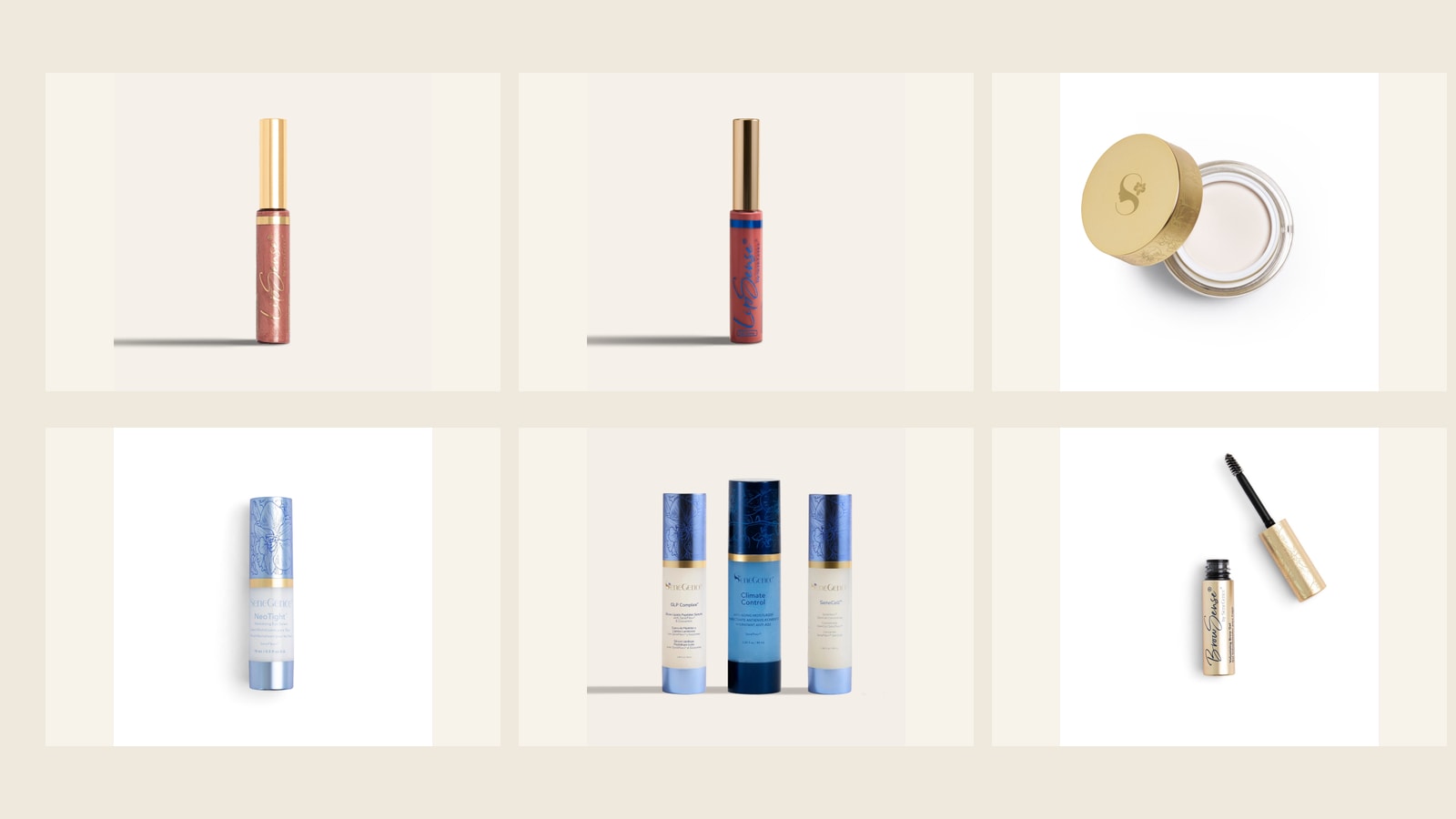
Write your setup down like a recipe: light position, background, camera height, lens, exposure, white balance, crop. Shoot the same four frames every time — the product, the texture or applicator, the shade reference, and the thing in real use. The repetition is the style.
Let the material choose the angle. A glossy LipSense tube, a matte compact and a translucent bottle each need a different relationship to the light before they read as themselves.
Then check your exports on a bright screen and a dim one, at feed size and full size.
how to use itselection, application & troubleshooting
Keep the recipe somewhere you can read it while shooting. Reshoot the shade only when the light matches the original setup. Archive the original, the final, the setup notes and her permission in one folder — six months on, the permission is the file you will need. Then build the photograph into one focused post.