Product Demonstration & Consultation
Guide the LipSense shade consultation
Turn color choice into a short, calm conversation: name the look she wants, put two or three LipSense shades on the table, change one thing at a time, and send her home with the exact formula.
section 01
Ask What the Lip Is For Before You Pull a Single LipSense Shade
why it matters
product value & fit
Nobody walks in wanting a shade. They walk in wanting to look a particular way at a particular moment.
So ask about the moment. Where is this lip going, and how much of the room should notice? Soft or bold, warm or cool, polished or playful, one hour or the whole evening. Ask which color she already owns and reaches for, because that one is a preference she has already tested on herself.
Then say the brief back to her before you open anything: the occasion, the intensity, the finish. If she nods, you have a target. If she corrects you, you have a better one.
Only then does a LipSense® shade come out of the kit.
how to use itselection, application & troubleshooting
Capture five things in her words: occasion, intensity, finish, complexion context, and one shade she already wears well. Restate the brief before the kit opens, then pull only what answers it. If she cannot name a finish, show her one glossy lip and one soft one and let her point — a preference she can see beats a preference she has to describe.
section 02
Preselect LipSense Shades, Layer Orders, and Gloss Finishes
why it matters
product value & fit
The difference between a consultation that feels personal and one that feels like a rummage is decided before the client arrives.
Pull the undertone families you expect to need, the layer orders you have actually tested, and the compatible LipSense Moisturizing Gloss finishes that go with them. Sanitize them. Lay them out. What she should see is a short, deliberate selection.
Preparation is invisible when it works. What she notices is that you reached once, not eleven times.
how to use itselection, application & troubleshooting
Map undertone families, tested stack orders and the Gloss finishes that pair with them against the brief you took. How to layer LipSense shades teaches how a stack is built; the consultation only asks which result suits this complexion, this light and this occasion.
the scienceformula · mechanism · evidence
A stack order you have not run yourself is a guess with a client's time attached. Translucent layers do not average out. Every pass sits over a different color than the one before it, so two shades in one order and the same two reversed give two different results. Run the reversals on your own hand between appointments and keep only the ones worth showing.
section 03
One Close Match, One Neighbor, One Stretch
why it matters
product value & fit
Open a kit of forty shades in front of someone and you have not given her a choice, you have given her a problem.
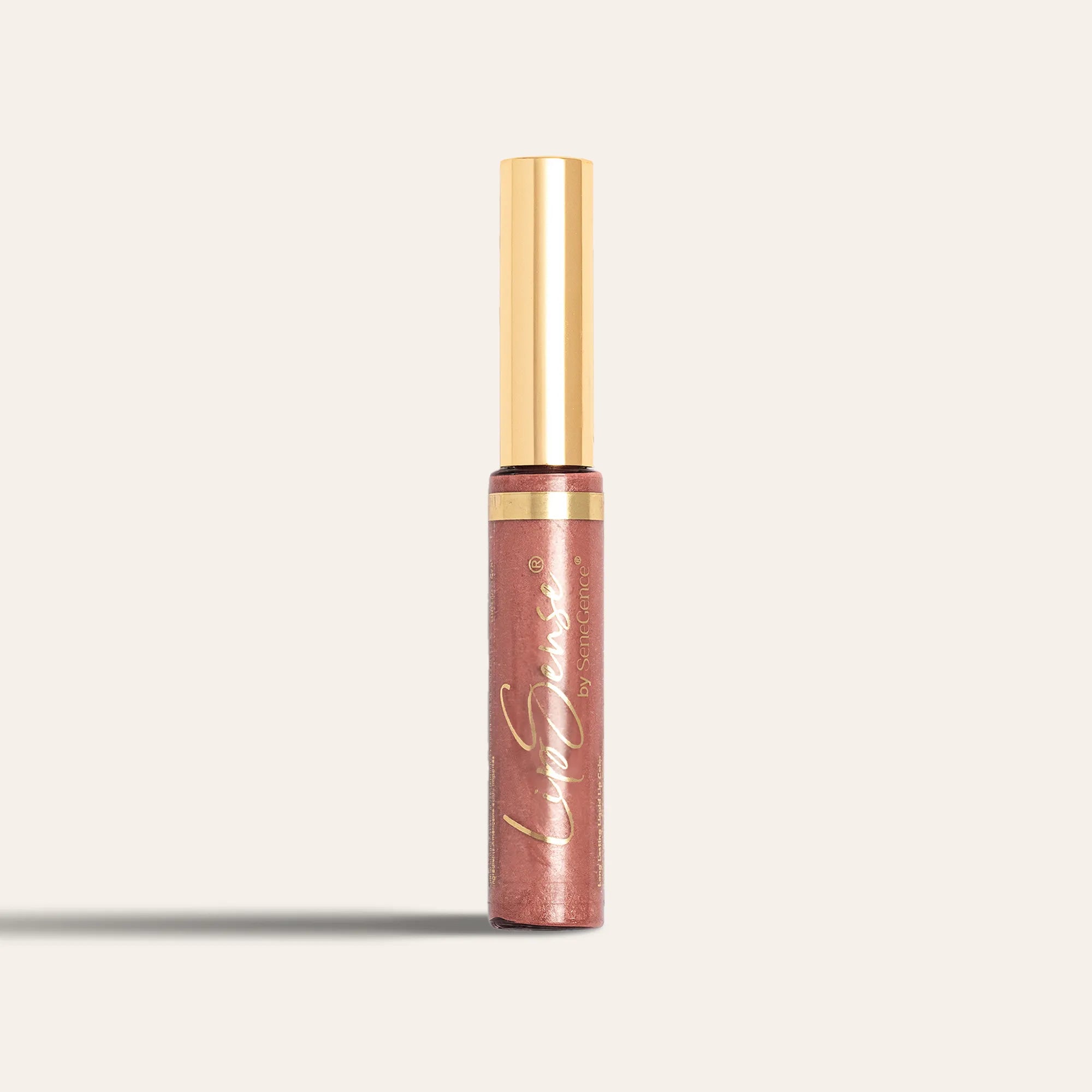
Put two or three LipSense shades on the table instead, and give each one a job. One close match to what she described. One neighbor a step warmer or deeper, to find out how much movement she actually wants. A third only when it tests a real direction rather than filling space.
Say each shade's job in one line as you place it, and take rejected ones out of sight as they lose.
Three bottles that each mean something beat thirty that mean nothing.
how to use itselection, application & troubleshooting
Place the candidates in comparison order and name the role of each as it lands: match, neighbor, stretch. Remove a rejected shade from the table the moment it loses, so the surface always shows the live choice. If the third option is not testing a direction she has expressed, leave it in the kit.
the scienceformula · mechanism · evidence
A small set is not a courtesy, it is what makes her answer readable. When three candidates each test one thing, her choice tells you which thing she wanted. When thirty are out, her choice tells you which bottle was nearest her hand. The size of the assortment becomes the variable, and the preference you write down afterwards is not hers.
section 04
Compare one change at a time
why it matters
product value & fit
Change the depth, the undertone and the finish all at once and she will tell you which look she likes. She will not be able to tell you why, and neither will you.
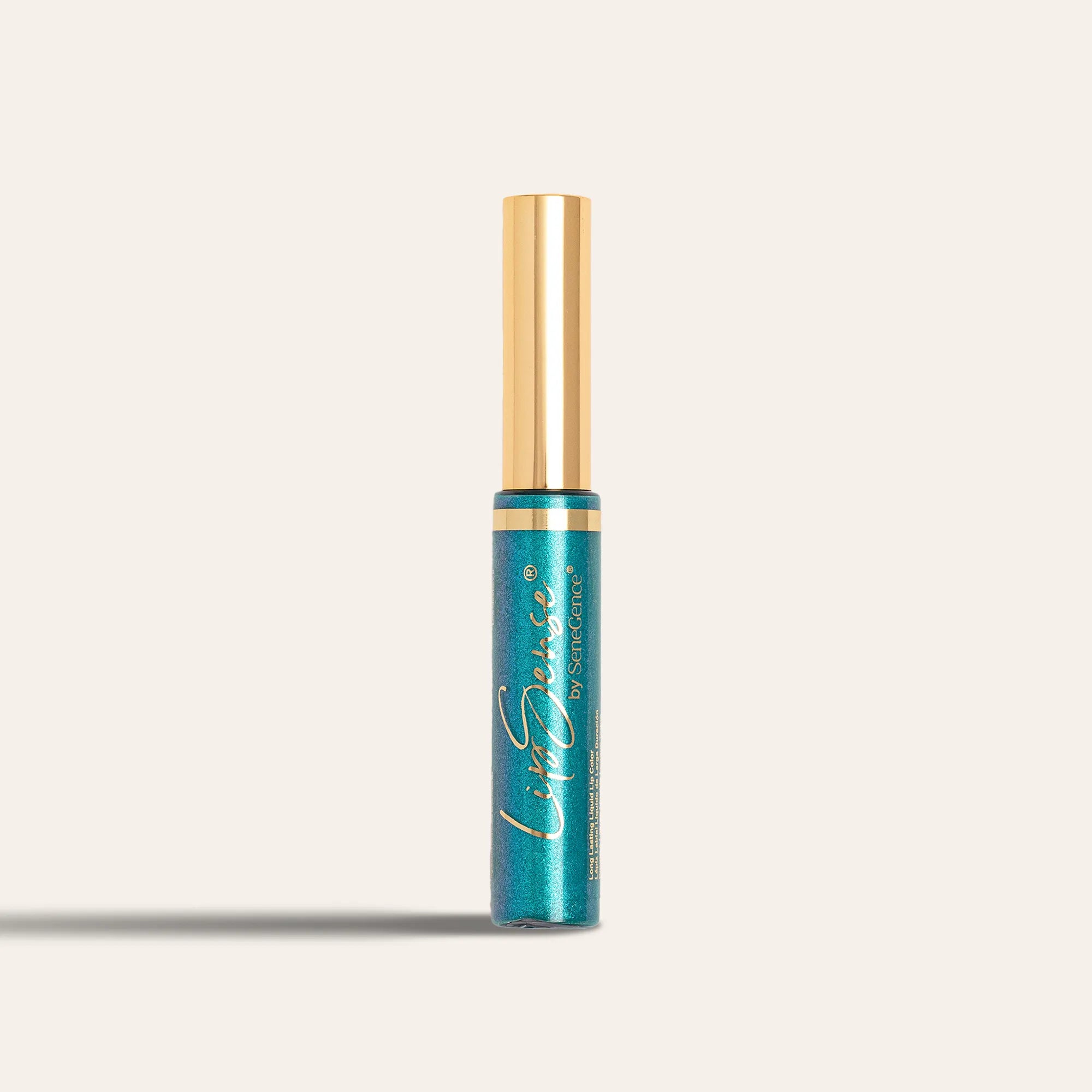
So move one thing. Same lighting, same placement, same everything else, and one variable in play: deeper or lighter, warmer or cooler, more sheen or less. Then ask which one serves the look she described.
Narrow on clean swatches, confirm the finalist on the lips, and write her answer down in her words.
One change, one answer. That is how a preference turns into a LipSense formula she can reorder a year from now.
how to use itselection, application & troubleshooting
Hold lighting, placement and every other product choice steady while you move one variable. Narrow on clean swatches and confirm on the lips — a swatch answers which shade is warmer, and only the lip answers which shade is right. Record her answer in her words rather than your interpretation of it.
the scienceformula · mechanism · evidence
Attribution needs one moving part. If depth, undertone and finish move together, the preference she reports cannot be assigned to any of them, and the look is not reproducible even when she loves it. A single-variable comparison does two jobs at once: it tells you what she prefers, and it leaves behind a specification somebody could rebuild.
section 05
Take the Finalist to a Window Before She Decides
why it matters
product value & fit
Appointment lighting flatters. That is what it is for, and it is also why shades get returned.
Before anything is decided, walk the finished LipSense lip to a window. In natural daylight she sees what she will see in the car, at work, and in every photograph anybody takes of her that evening. Judge the whole face and neck, not a stripe on the back of a hand.
Then let her read it first. Ask what she sees before you say what you see, because the first opinion in the room tends to become the only one.
how to use itselection, application & troubleshooting
Move her to a window or a neutral, high-quality source before the finalist is confirmed, and read the lip against the full complexion rather than a hand swatch. If the look is for an event or a shoot, check it on camera as well. Ask for her read first, then add yours.
the scienceformula · mechanism · evidence
Two things shift a lip's apparent color: the spectrum of the light and the white balance the eye or the camera settles on. Her own lip pigment shifts it again, because thin translucent layers transmit as much as they cover. Daylight removes the first source of error and confirming on the lip removes the second. What survives both is the shade she will recognize tomorrow.
section 06
Record the exact recommendation
why it matters
product value & fit
A look nobody wrote down is a look she will describe six months later as the pinky one, she thinks, from the summer.
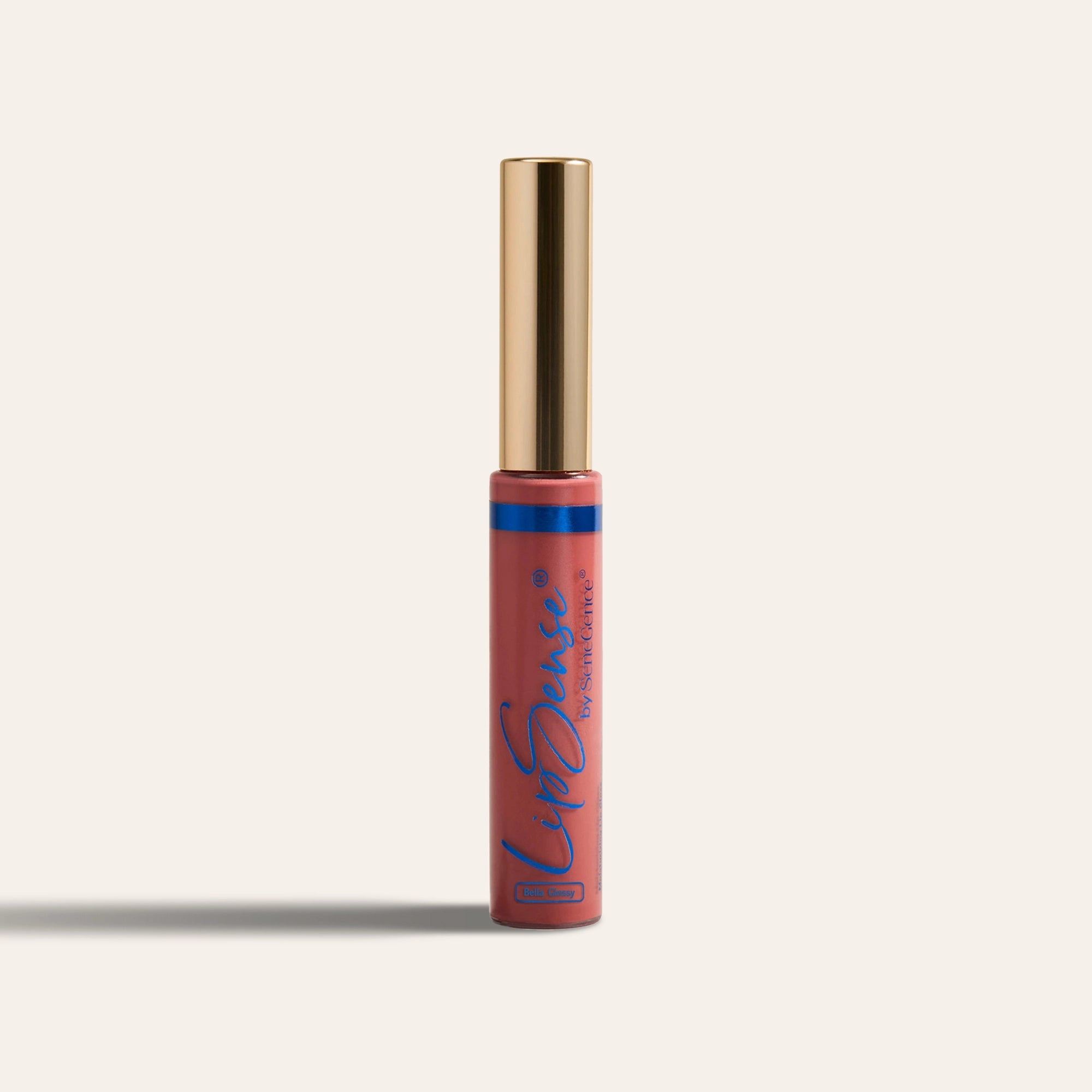
So write it down while it is still on her face. Every LipSense shade, the order they went on, and the Moisturizing Gloss that finished it. Add the light you confirmed it in and the date. Send it in a form she keeps and you can find again.
Offer the full set, or name the one Color and one Gloss that get her most of the way there if she wants a smaller start.
A written formula outlives the appointment. A compliment does not.
how to use itselection, application & troubleshooting
With permission, add exact product names, layer sequence, Gloss, lighting check, and date to the client chart. Send the same record in a format she will keep. If she wants a smaller start, name the anchor Color and Gloss rather than trimming at random. Record LipSense Moisturizing Gloss after layer three; it seals color and supplies the hydrating finish.
the scienceformula · mechanism · evidence
A layered color result is sequence-dependent, so a list of products without their order is an incomplete record. Writing the order, the finish and the viewing conditions turns a sensory result into something reproducible, and reproducibility is what makes the next adjustment cheap: change one documented variable, hold the rest, and compare against a known look rather than a memory.