Product Basics
How to layer LipSense Long-Lasting Liquid Lip Color shades
Layer LipSense shades to tune undertone, depth, and finish—and turn a few tubes into a color wardrobe.
section 01
How to choose LipSense shades by undertone
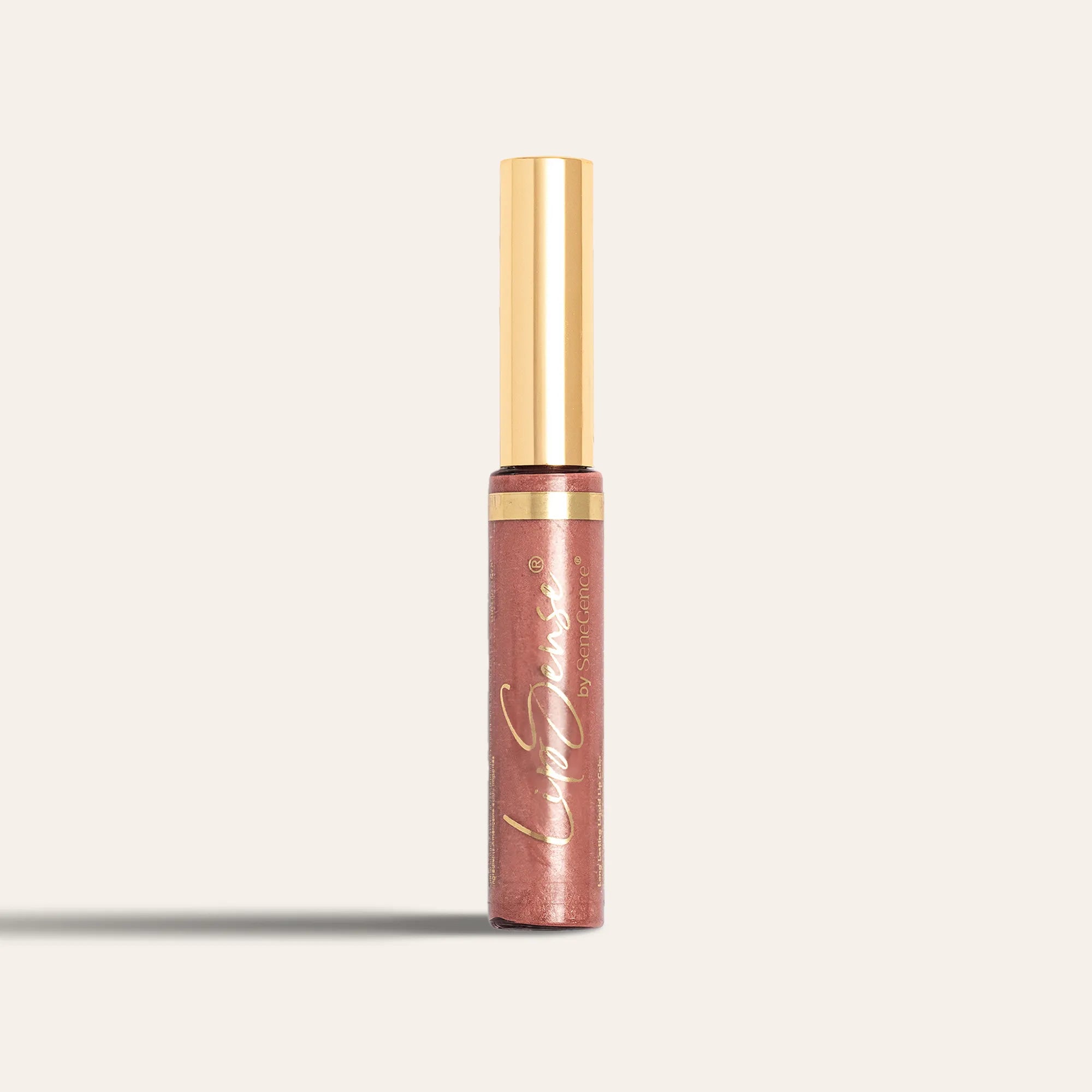
why it matters
product value & fit
At the mirror, undertone is the first decision: one shade family makes your complexion look clear, balanced, and alive, while another can leave the same face looking dull. Start there before you build the rest of the LipSense stack.
how to use itselection, application & troubleshooting
Assess undertone in neutral daylight, with the face and neck visible. Compare Blu-Red, Napa, or Pink Champagne for a cool direction; Persimmon, Fly Girl, or Apple Cider for warmth; and Bella or Praline Rose as neutral starting points. Hold or swatch adjacent options, observe whether the complexion looks clearer or sallow, then edit the stack to two or three shades.
the scienceformula · mechanism · evidence
Undertone is the relatively stable warm, cool, or neutral cast beneath changeable surface color. Shade selection works optically: hue temperature, chroma, value, natural lip pigment, surrounding complexion, and lighting alter the perceived result. Daylight reduces color-cast error, while side-by-side comparison makes contrast easier to see. Undertone is a starting variable, not a fixed rule; the final ordered stack can still adjust depth, warmth, brightness, and opacity.
section 02
How layer order builds a LipSense color wardrobe
why it matters
product value & fit
Three thin layers can turn your favorite LipSense colors into a wardrobe of looks.
Three LipSense colors can create a 27-look layered wardrobe. Build the favorite one layer at a time, then record the exact order so the look is easy to recreate.
how to use itselection, application & troubleshooting
Apply three whisper-thin passes and let each set before continuing. Test cool, warm, or balanced sequences under consistent light, photograph the finished lips, and write the shade order in the service record. At the next appointment, reproduce the same order and technique before changing one shade or finish variable.
the scienceformula · mechanism · evidence
Each ordered position accepts one of the selected shades, so repeated-shade and mixed-shade stacks are both valid. Sequence changes the optical blend because every translucent pigment contribution meets different color beneath and above it. That does not give the first, middle, or final position a fixed function. The arithmetic belongs only to the three color positions.
section 03
How Gloss further customizes a layered LipSense look
why it matters
product value & fit
After the color sets, watch what the light does next. Wear one Gloss, blend different Glosses, or stack finishes to tune tint, sheen, and dimension until the finished lip catches the light the way you want.
how to use itselection, application & troubleshooting
After the third LipSense color layer sets, choose, blend, or layer compatible LipSense Moisturizing Glosses to customize tint, sheen, and dimension.
After the color sets, compare one Gloss, a blend, and layered Glosses over the same recorded stack; save the finish the client prefers beside the color order. Once layer three is set, sweep on LipSense Moisturizing Gloss to seal the color and add hydration.
the scienceformula · mechanism · evidence
Gloss changes surface optics rather than the set pigment sequence. Tint alters transmitted color, sheen changes specular reflection, and layered finishes can add visible dimension. Comparing Glosses over one unchanged color stack isolates the finish variable, making differences in brightness, warmth, depth, and reflection easier to see.
choose your next step