How does volcanic ash exfoliation work?
Quick answer
Fine volcanic-ash particles help SeneGence Facial Resurfacer polish away dull surface buildup as you massage and rinse, leaving skin smoother and fresher-looking. Facial Resurfacer exfoliates without irritation, smooths and clarifies texture and preserves the skin barrier. Beauty Book 2026 (p. 20).
By SeneGence ·  Alan Kante, publisher · Updated
- 2 min read
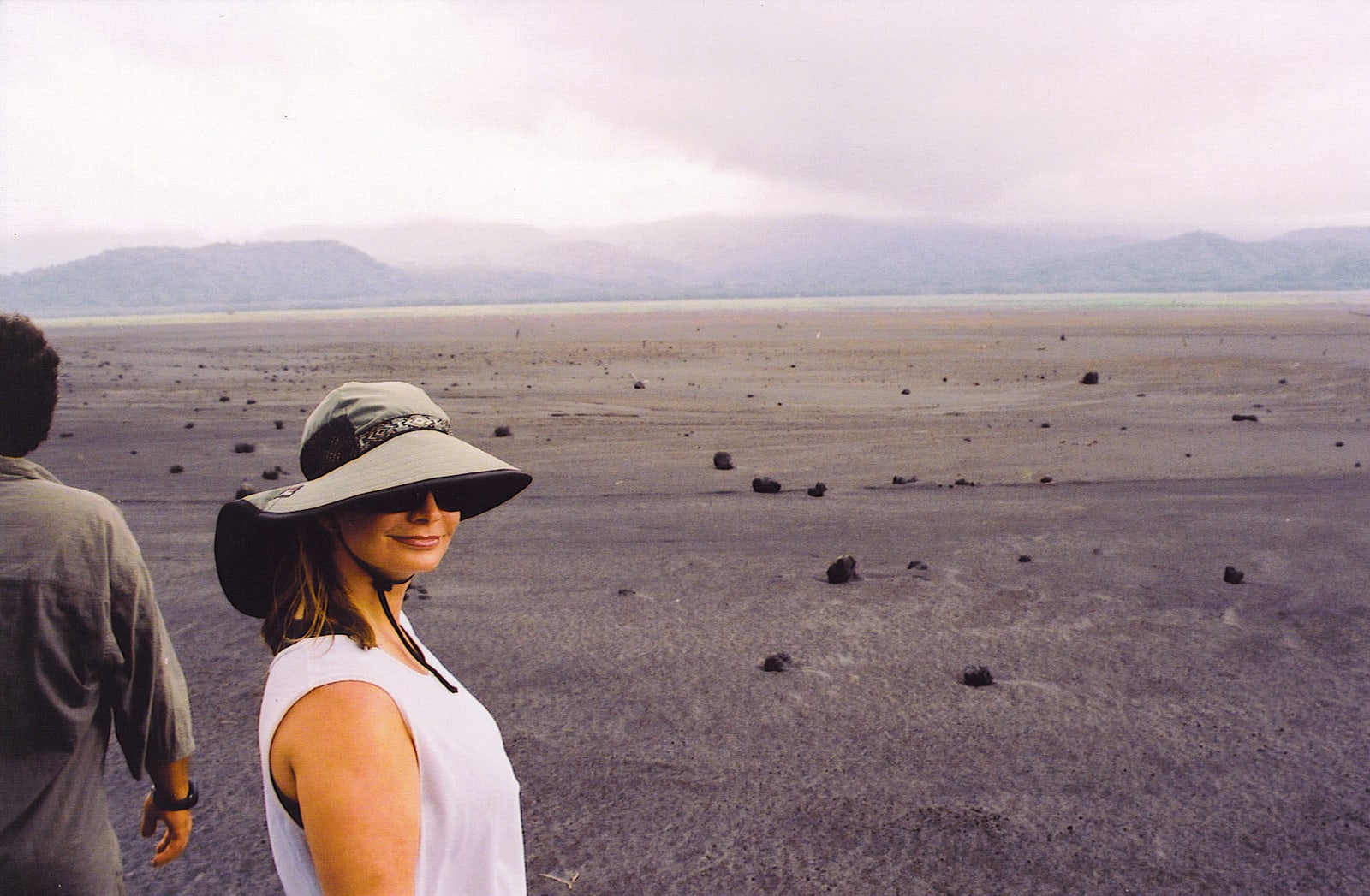

Where does the volcanic ash come from?
In Facial Resurfacer, finely textured, mineral-rich Volcanic Ash from Vanuatu works beside Juglans Regia (Walnut) Shell Powder to exfoliate and polish dry, dull surface cells. SeneGence selects Vanuatu volcanic ash from a downwind deposit approximately 1.5 kilometers from Mount Yasur's active vent. During that airborne journey, larger fragments settle sooner, helping concentrate a finer particle range farther from the vent; the material chosen for SeneGence is selected for a near-spherical particle profile. Fine, rounded grains polish rather than scrape, which is why SeneGence chooses this Vanuatu material for the face. See where the ash comes from or why Facial Resurfacer uses it.
How often should you use it?
A little goes a long way. Gently massage Facial Resurfacer onto clean, moist skin using light circular motions. Avoid eyes, rinse well, and use it twice per week or on an as-needed basis. Facial Resurfacer.
Volcanic ash also appears in Smoothing Body Scrub, a body formula SeneGence sells in Mexico that pairs it with pumice; for the face, Facial Resurfacer pairs the ash with walnut shell powder. For the story behind the ash, see what Joni Rogers-Kante discovered in Vanuatu.